
Secure Your Business Payments Now
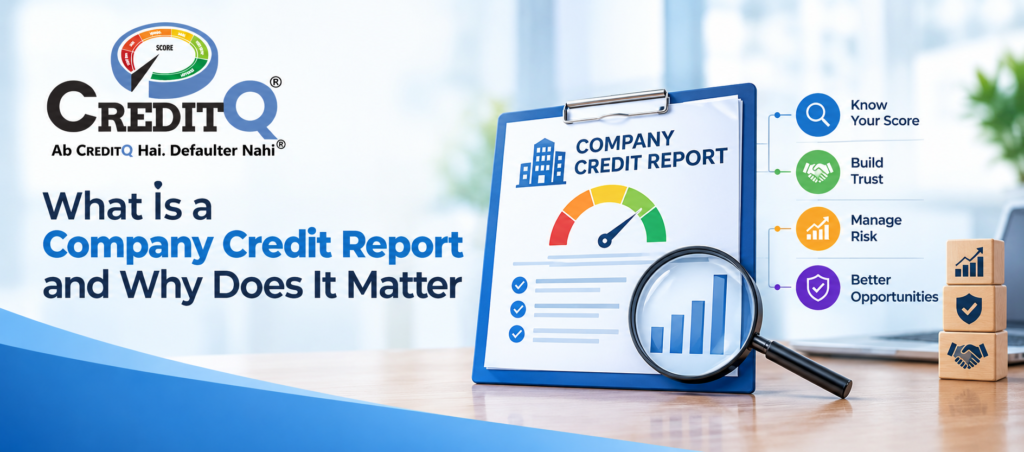
A Company Credit Report tells you far more about a business partner than a simple invoice history ever could. Before a single follow-up message goes out, many finance platforms skip this step entirely, relying instead on gut feeling or past experience with a client. That approach works fine until it doesn’t, and by then the damage to cash flow has already been done. Understanding a buyer’s financial standing before you chase an unpaid bill can change how you approach the entire conversation and it can save you from wasted effort on accounts that were never going to pay on time.
Why Payment Behaviour Starts Long Before the Invoice Is Overdue
Most businesses only start paying attention to a client’s payment habits after an invoice crosses its due date. By then, the warning signs were likely visible weeks or even months earlier. Late filings, mounting liabilities, or a pattern of delayed settlements with other vendors often show up in financial records long before a specific bill becomes a problem. Checking this information ahead of time is not about assuming the worst of every client; it is about making informed decisions rather than reactive ones.
Businesses that make it a habit to review financial standing before extending terms tend to face fewer disputes later. They know which accounts need closer monitoring and which ones can be trusted with longer payment windows.
What a Company Credit Report Actually Reveals
A well-prepared report goes beyond a simple pass or fail verdict, and typically includes:
Ownership and legal structure details, so you know exactly who you are dealing with
- Payment history with other suppliers and lenders
- Outstanding liabilities and legal disputes, if any
- Financial ratios that indicate stability or strain
- Industry comparisons that show how a business performs against its peers
Platforms such as CreditQ compile this kind of data into a format that is easy for finance and operations teams to interpret without needing a background in accounting. That accessibility matters, because the people sending reminders are often not the same people analyzing balance sheets.
How This Information Changes Your Approach to Reminders
Once you have a clearer picture of a client’s financial position, the tone and timing of a Payment Reminder can shift dramatically. A business with a strong track record and temporary cash-flow strain deserves a different message than one with repeated late settlements across multiple vendors.
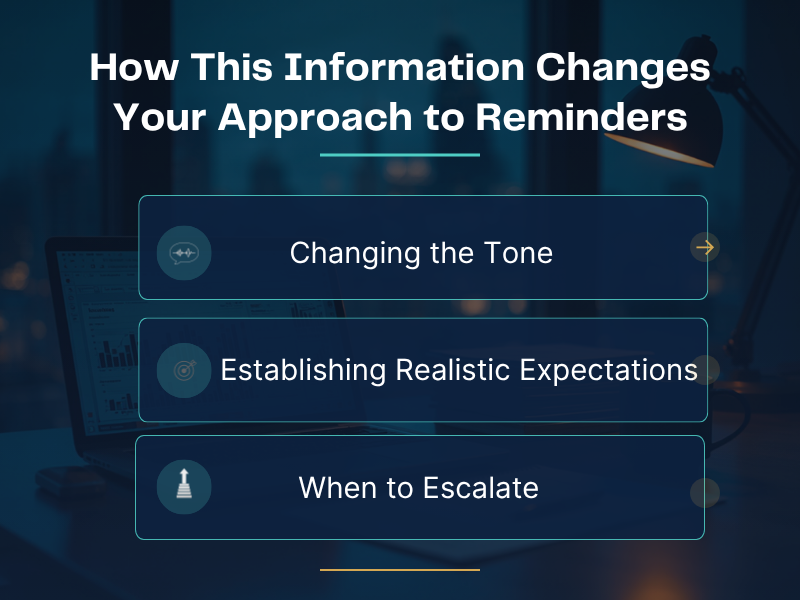
- Changing the Tone: A first reminder to a good, longstanding client can be friendly and short. For an account with a history of missed payments, the same message might need to be more aggressive and have a more explicit deadline from the very first contact.
- Establishing Realistic Expectations: If you know the normal payment cycle for a company, it will help you avoid sending reminders too early (which can be seen as pushy) or too late (which delays your cash flow).
- When to Escalate: If the financial records already show increasing liabilities in other areas, it may not be the wisest course to sit through a series of polite reminders. Moving to firmer terms sooner protects your business from becoming another unpaid line item.
The Cost of Skipping This Step
Sending a Payment Reminder without any background information is a bit like negotiating blind. You might assume a delay is simply an oversight, when in fact the business is juggling multiple overdue accounts and prioritizing based on who pushes hardest. Without that visibility, your reminders may sit at the bottom of a pile, ignored for weeks.
And then there’s the reputation side of things. You need a different kind of sensitivity when you’re trying to collect from a client who’s really having a hard time than one who just forgot. A Company Credit Report gives you the context you need to make the right choice, protecting the relationship while still getting paid what you’re owed.
Creating a Habit, Not Just One Check
Financial standing is not static. The client that looked strong six months ago may now be showing new signs of stress, while the one that looked risky may have improved its position since. You keep your assessment fresh by reviewing this information periodically and not just at the beginning of a relationship.
Some practical habits to pick up:
- Quarterly review reports for long-term, high-value clients.
- Check payment terms if a business starts to show a change in pattern.
- Keep track of reminder responses together with financial data for future reference.
- Flag accounts that are frequently close to their credit limits.
- Teams who use CreditQ for continuous monitoring often find it easier to see these moves happen early on because the platform highlights changes rather than requiring them to manually compare each time.
How to Include Reminders in an Overall Risk Strategy
Never issue a Payment Reminder on its own. It works best as part of a broader receivables management process that starts with knowing who you’re extending credit to in the first place. “Companies that think of reminders as an afterthought, sending them only when a payment is overdue, often miss the opportunity to prevent the delay in the first place.
Bringing financial checks into the sales and onboarding process, rather than only at the follow-up stage, means fewer surprises later and messages that carry more weight.
Must Read: How to Use a Defaulter Report to Minimize Payment Defaults
Conclusion
Checking a Company Credit Report before you send a follow-up on unpaid dues is not an extra step; it is a foundational one. It shapes how firmly or gently you approach a conversation, how quickly you decide to escalate, and how well you protect your own cash flow in the process.
Companies that build this into their regular workflow, assisted by tools like CreditQ, tend to spend less time chasing payments and more time working with customers who pay on time. The next time an invoice sits unpaid, take a moment to look at the fuller picture before deciding what to say and when to say it.
Frequently Asked Questions
Q1. How frequently should a business check a company’s financial status?
Ans: Quarterly review is a good starting point for active or high-value accounts. Smaller or less frequent clients can be reviewed less often, but any material change in payment behaviour should trigger an immediate review.
Q2. Is it slow to check financial records before sending a reminder?
Ans: No, it usually makes things go faster. Having the client’s situation at the ready allows you to set the proper tone and timing from the outset, avoiding the back and forth of a poorly targeted message.
Q3. Is it only useful for big enterprises or can small businesses also benefit from it?
Ans: The practice is even more valuable for small businesses, who often have less wiggle room to absorb a late payment. One overdue invoice can have a much greater impact on the operations of a smaller company than a larger company.
Q4: What does a business do if it feels that a client’s financial position is weak?
Ans: Think about changing payment terms, asking for partial upfront payment or increasing check-ins during the engagement. Communicating clearly and professionally but firmly from the beginning sets up expectations.
Q5. Is this check only for new clients?
Ans: No, existing customers should also be reviewed periodically. Financial circumstances change over time. A client who has been reliable in the past may not always be reliable.