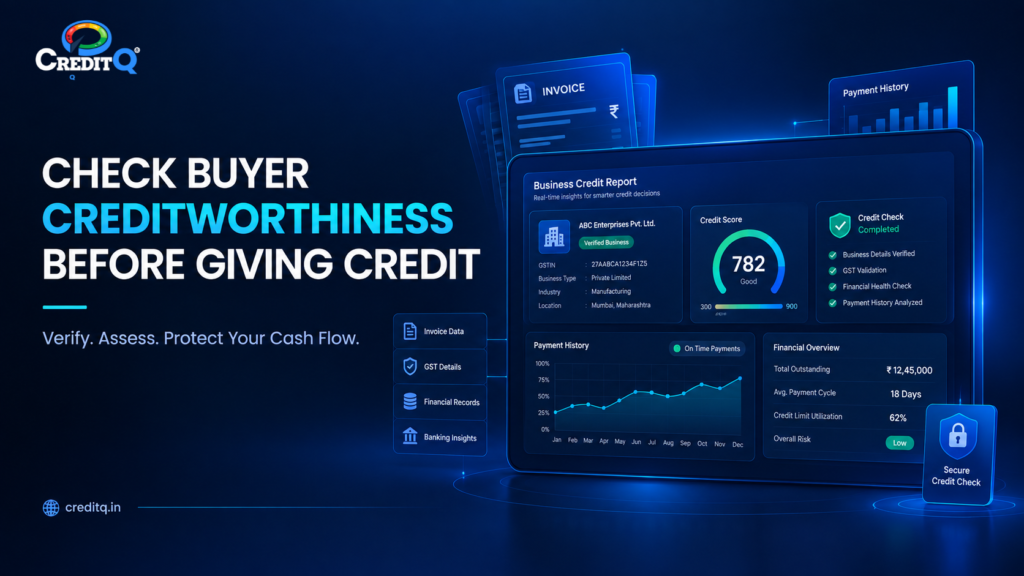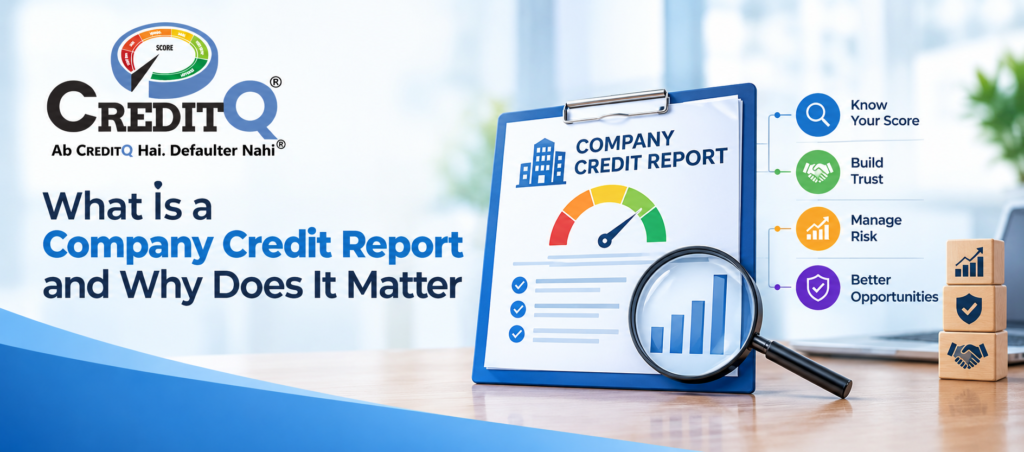
A company credit report serves as the primary document corporate leaders use to evaluate financial reliability before extending trade terms or entering commercial partnerships. In commercial markets, working with unfamiliar vendors, distributors, or corporate buyers always increases the risk of unpaid invoices. When enterprises supply goods or deliver project milestones on deferred terms, they need hard documentation rather than verbal promises. Evaluating verified financial records protects working capital and establishes a solid foundation for long-term commercial relationships.
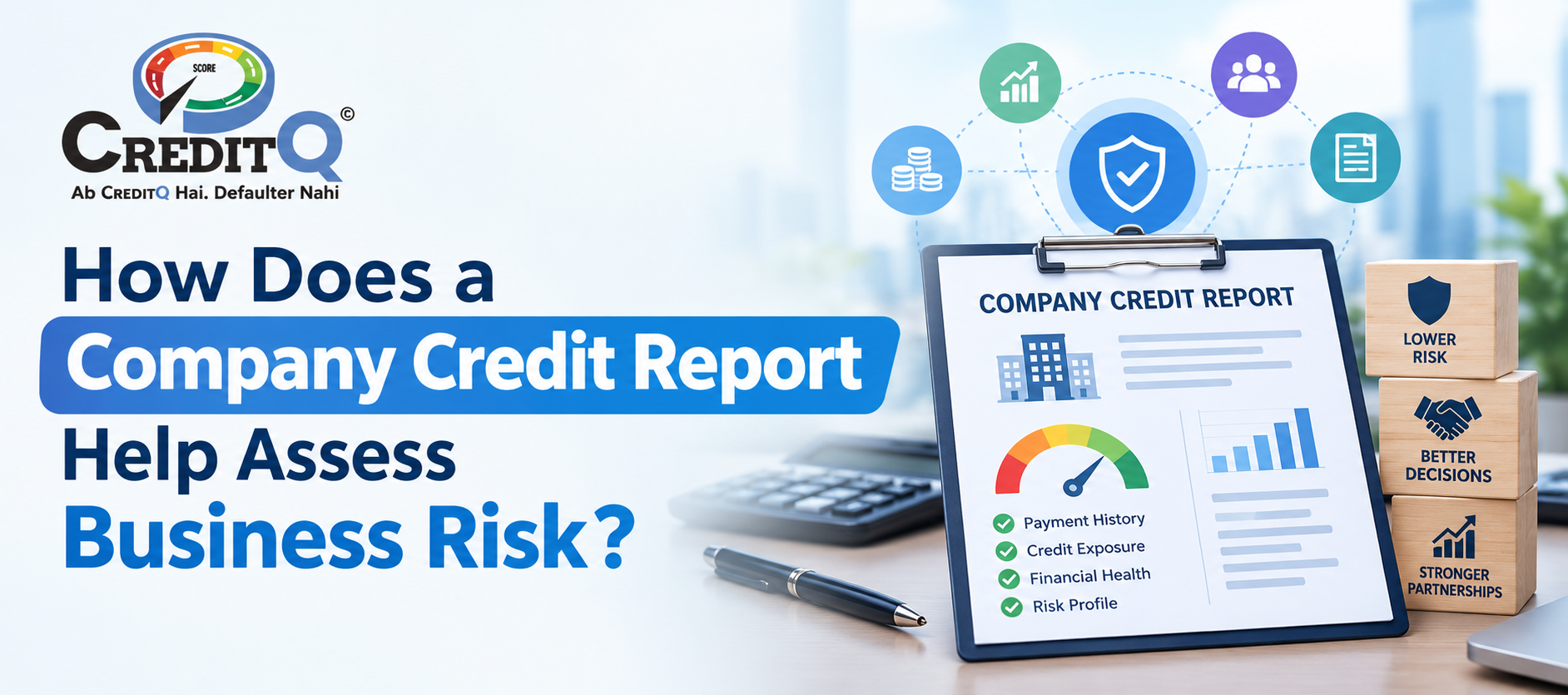
How Does a Company Credit Report Help Assess Business Risk
Secure Your Business Payments Now
Operating without proper due diligence often leads directly to cash flow bottlenecks. Every enterprise needs a clear picture of how prospective clients honor contractual commitments, manage vendor dues, and conduct their commercial dealings. By turning to verified documentation, enterprises make informed credit choices, spot operational red flags early, and safeguard their business operations against sudden default disruptions.
Understanding Commercial Risk in Modern B2B Operations
Commercial risk encompasses multiple operational pitfalls, including chronic payment delays, insolvency, operational disputes, and abrupt default. Whenever an enterprise provides supplies before receiving payment, it temporarily funds another company’s operations. If that partner encounters financial instability, the supplier faces immediate working capital strain.
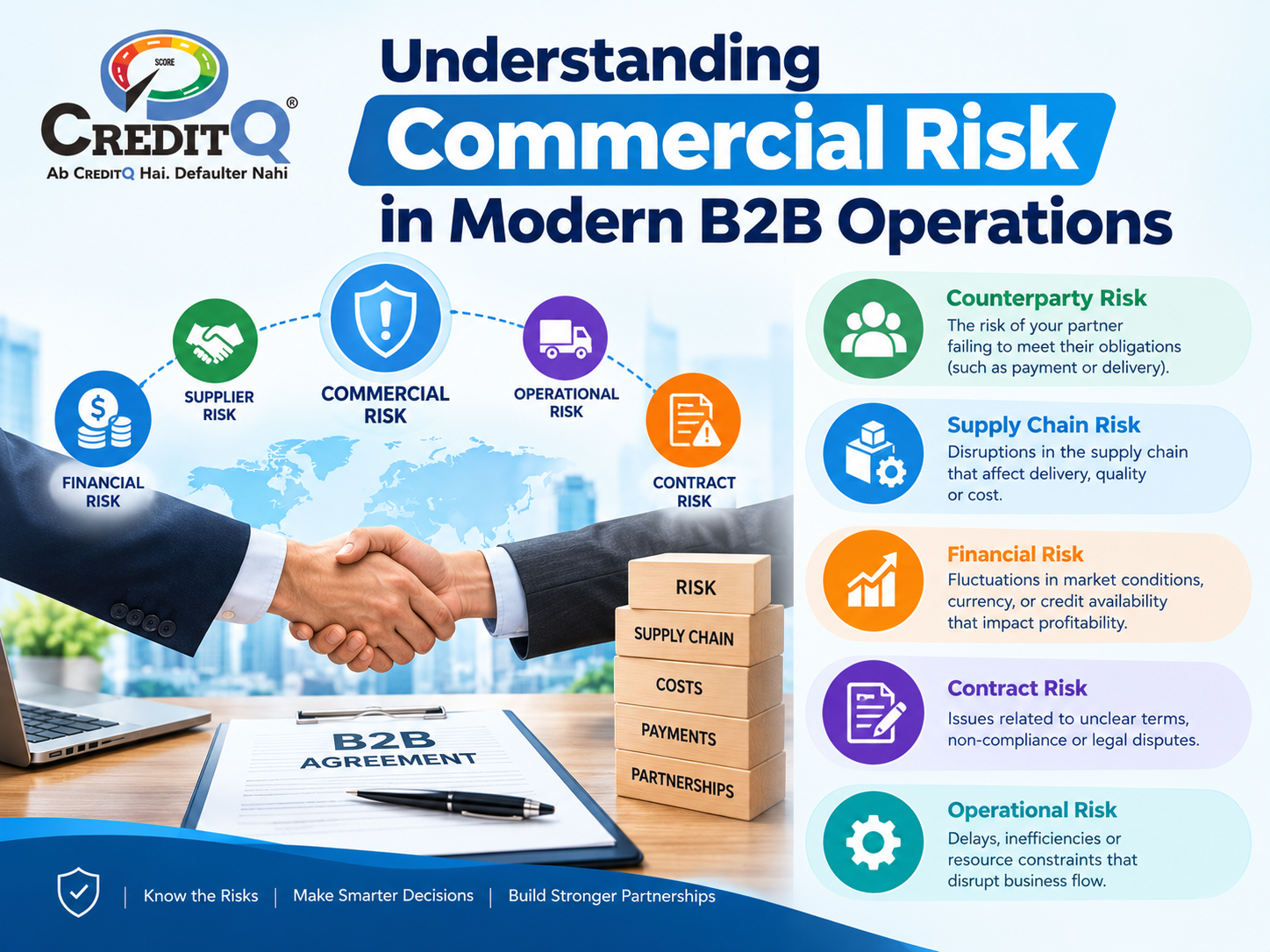
Traditional approaches to customer evaluation relied heavily on personal recommendations, subjective references, or simple bank letters. These methods often fail to reflect recent operational stress or undisclosed supplier disputes. A modern enterprise requires objective reporting that tracks actual commercial behavior across suppliers, distributors, and industry peers. Reviewing an authenticated business credit report enables leadership teams to examine past vendor interactions, historical fulfillment patterns, and active commercial disputes with precision.
Platforms like CreditQ provide businesses with direct visibility into commercial payment discipline, helping companies identify chronic defaulters and protect their liquidity.
Core Elements Included in a Commercial Credit Evaluation
Evaluating an enterprise profile requires examining diverse commercial data points. A detailed evaluation document presents several essential sections:
- Official Enterprise Identification: Legal registrations, registered operating addresses, official incorporation timelines, and structural ownership records.
- Commercial Fulfillment Tracking: Detailed historical records showing how consistently the entity pays trade accounts, vendor invoices, and contract milestones.
- Legal and Dispute Records: Documented supplier disputes, unpaid balance notices, or ongoing legal proceedings that signal operational turbulence.
- Operating Exposure: Existing financial commitments and historical obligations across diverse trade relationships.
These combined components give decision-makers a comprehensive view of how reliably an organization manages its day-to-day commitments.
Key Ways a Credit Document Mitigates Operational Risk
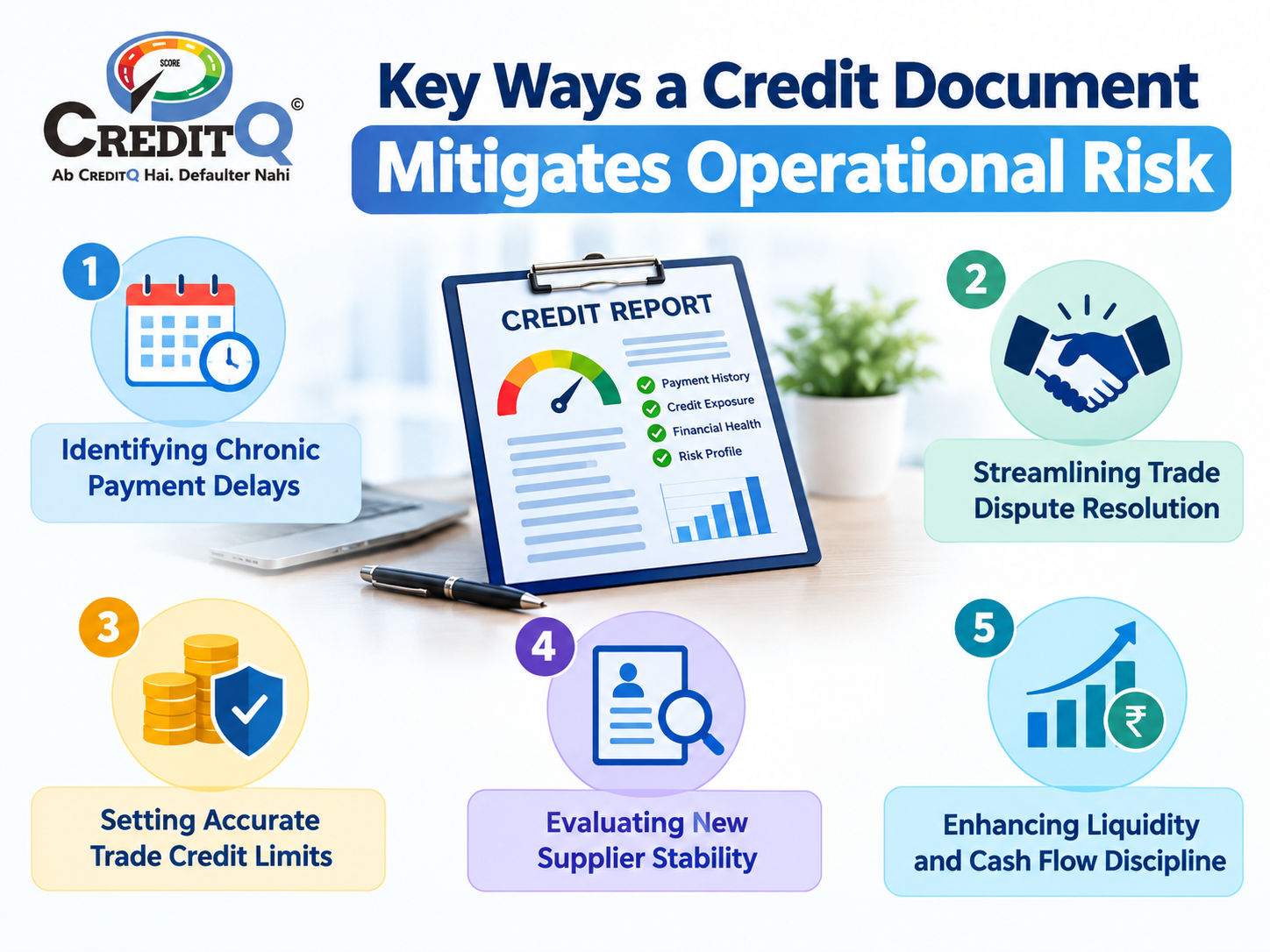
1. Identifying Chronic Payment Delays
One of the most valuable insights provided by commercial reporting is the clear breakdown of historical payment habits. Companies under cash flow distress almost always show signs of payment friction long before a total shutdown occurs. Through the aggregated trade insights available via CreditQ, businesses can spot patterns where invoices are systematically postponed past agreed invoice periods.
When decision-makers pull a verified Company Credit Report, they can instantly observe whether a prospective buyer honors net-30, net-60, or extended commercial terms. Recognizing regular delays helps teams tighten contractual terms, demand upfront advances, or reconsider trade exposure altogether.
2. Streamlining Trade Dispute Resolution
Unresolved disputes between enterprises often freeze working capital for months. When partners encounter commercial friction, having transparent records encourages accountability and speeds up dispute resolution. Utilizing a structured Business Payment Settlement mechanism allows trade partners to formalize pending payments and close outstanding ledgers amicably.
Clear documentation prevents misunderstandings, outlines realistic payment schedules, and ensures both parties preserve their ongoing commercial credibility.
3. Setting Accurate Trade Credit Limits
Offering uniform credit limits to every customer exposes a business to unnecessary vulnerability. A startup with minimal capital cannot responsibly be offered the same terms as a mature corporation with extensive liquidity. Reviewing a detailed Business Credit Report equips financial teams to calculate sound credit limits tailored to each customer’s actual capacity.
By balancing requested supply volumes against a buyer’s demonstrated purchasing volume and historical fulfillment speed, enterprises prevent over-leveraging their own inventories.
4. Evaluating New Supplier Stability
Risk assessment extends beyond customer onboarding to critical supply chain partners. If a primary components manufacturer halts production due to severe liquidity shortages, customer delivery schedules crumble. Reviewing an updated Company Credit Report on potential manufacturing and distribution partners ensures that your supply chain rests on dependable organizations.
A transparent view into a supplier’s obligations ensures that production orders will not be derailed by sudden financial freezes or vendor boycotts.
5. Enhancing Liquidity and Cash Flow Discipline
Working capital forms the lifeblood of B2B enterprises. When customer invoices linger unpaid for extended billing cycles, day-to-day operations suffer. By promoting transparent reporting via CreditQ, enterprises foster a culture of punctuality throughout their business networks.
Buyers understand that their reputation among vendors depends directly on timely closures. As a result, businesses experience fewer overdue accounts and enjoy consistent cash flow predictability.
Steps to Integrate Credit Assessment into Routine Onboarding
Embedding thorough commercial assessments into routine sales and procurement operations requires clear internal protocols:
- Establish Clear Trade Policy Guidelines: Define standardized criteria for advance deposits, net terms, and documentation mandates based on project size.
- Collect Legal Details at Intake: Gather formal tax registrations, enterprise identity numbers, and business authorizations from the outset.
- Generate Comprehensive Commercial Profiles: Review the enterprise’s vendor payment record and legal history through an authorized provider.
- Define Structured Payment Schedules: Ensure that every transaction concludes with an agreed Business Payment Settlement procedure in the event of unforeseen invoice delays.
- Conduct Periodic Portfolio Audits: Re-evaluate long-standing clients annually to ensure ongoing financial health and stability.
Taking a systematic approach converts reactive credit management into a proactive defense mechanism against non-paying accounts.
Creating a Resilient B2B Enterprise
Building a durable enterprise requires proactive risk prevention across every commercial department. Relying solely on intuition or surface-level impressions leaves an organization vulnerable to bad debts and disrupted trade cycles.
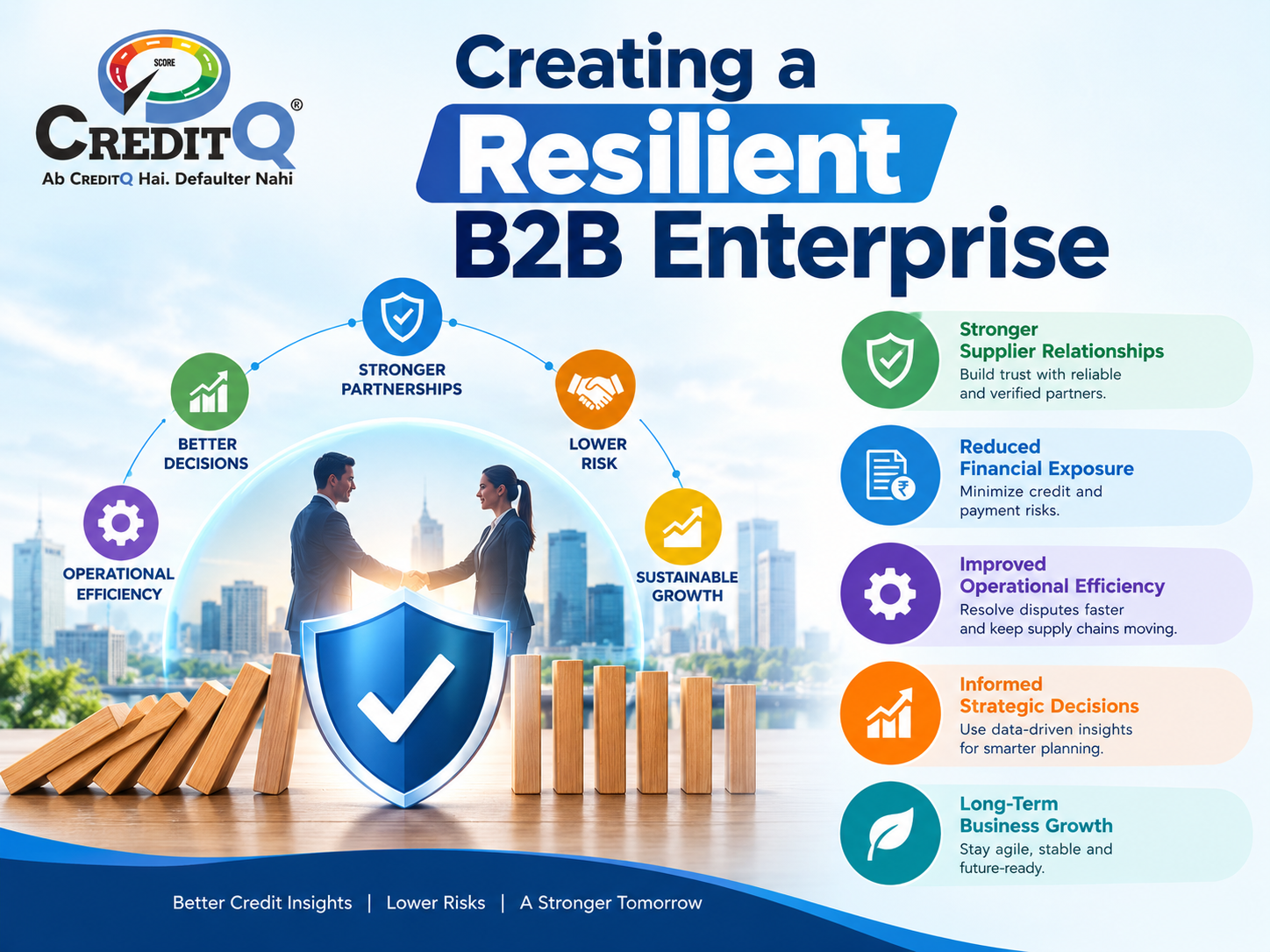
By relying on an authentic Company Credit Report, enterprises protect their cash reserves, maintain control over receivables, and select partners dedicated to shared growth. Prioritizing transparent credit management through platforms like CreditQ safeguards operational integrity and builds enduring commercial confidence.
Finally, establishing an organized Business Payment Settlement protocol gives businesses the clarity needed to resolve complex commercial disagreements swiftly and maintain healthy balance sheets.
Must Read: How Can Businesses Speed Up Settlement from Buyers?
Frequently Asked Questions (FAQs)
Q1. How frequently should a company review the credit profiles of existing clients?
Ans: A company should examine credit profiles at least once every six to twelve months for active accounts. Also, review immediately when a customer requests a substantial increase in credit terms or starts showing unusual payment delays.
Q2. What is the primary difference between personal and enterprise credit evaluations?
Ans: Personal credit evaluations track consumer behavior such as home mortgages or personal retail transactions. In contrast, enterprise credit assessments focus strictly on commercial metrics, including GST compliance, vendor payment history, trade dispute records, and legal registrations associated with a business entity.
Q3. Can reviewing commercial credit reports help improve supply chain dependability?
Ans: Yes. Evaluating potential suppliers confirms whether they possess the financial stability to fulfill large contracts without suffering unexpected production shutdowns or sudden inventory shortages caused by supplier disputes.
Q4. How do documented trade defaults affect an enterprise’s market reputation?
Ans: Documented trade defaults demonstrate to vendors, suppliers, and potential partners that an entity struggles to meet contractual terms. This often results in suppliers demanding full advance payments, shortening delivery terms, or refusing trade agreements altogether.
Q5. What steps can a business take if a buyer disputes an invoice amount?
Ans: The business should verify original purchase orders, inspection notes, and signed delivery confirmations. Once the underlying dispute is clarified, the parties can agree upon structured terms to finalize the pending balance through a formal resolution schedule.