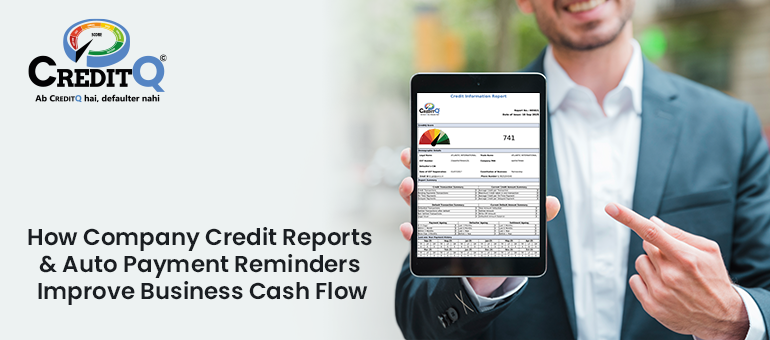
In today’s competitive business environment, offering credit to customers is often necessary for growth. However, extending credit without understanding a customer’s financial reliability can expose your business to delayed payments, defaults, and bad debts. These unpaid invoices don’t just affect cash flow—they can slow business expansion, disrupt operations, and reduce profitability.
This is where Credit Information Reports (CIRs) become a powerful decision-making tool.
A Credit Information Report provides valuable insights into a business’s financial credibility and payment behavior. Instead of relying only on trust or limited customer information, businesses can use CIRs to evaluate credit risk before offering goods or services on credit.
Whether you’re an MSME, manufacturer, wholesaler, distributor, or service provider, using Credit Information Reports can significantly reduce the chances of bad debts while helping you make smarter credit decisions.
What Is a Credit Information Report (CIR)?
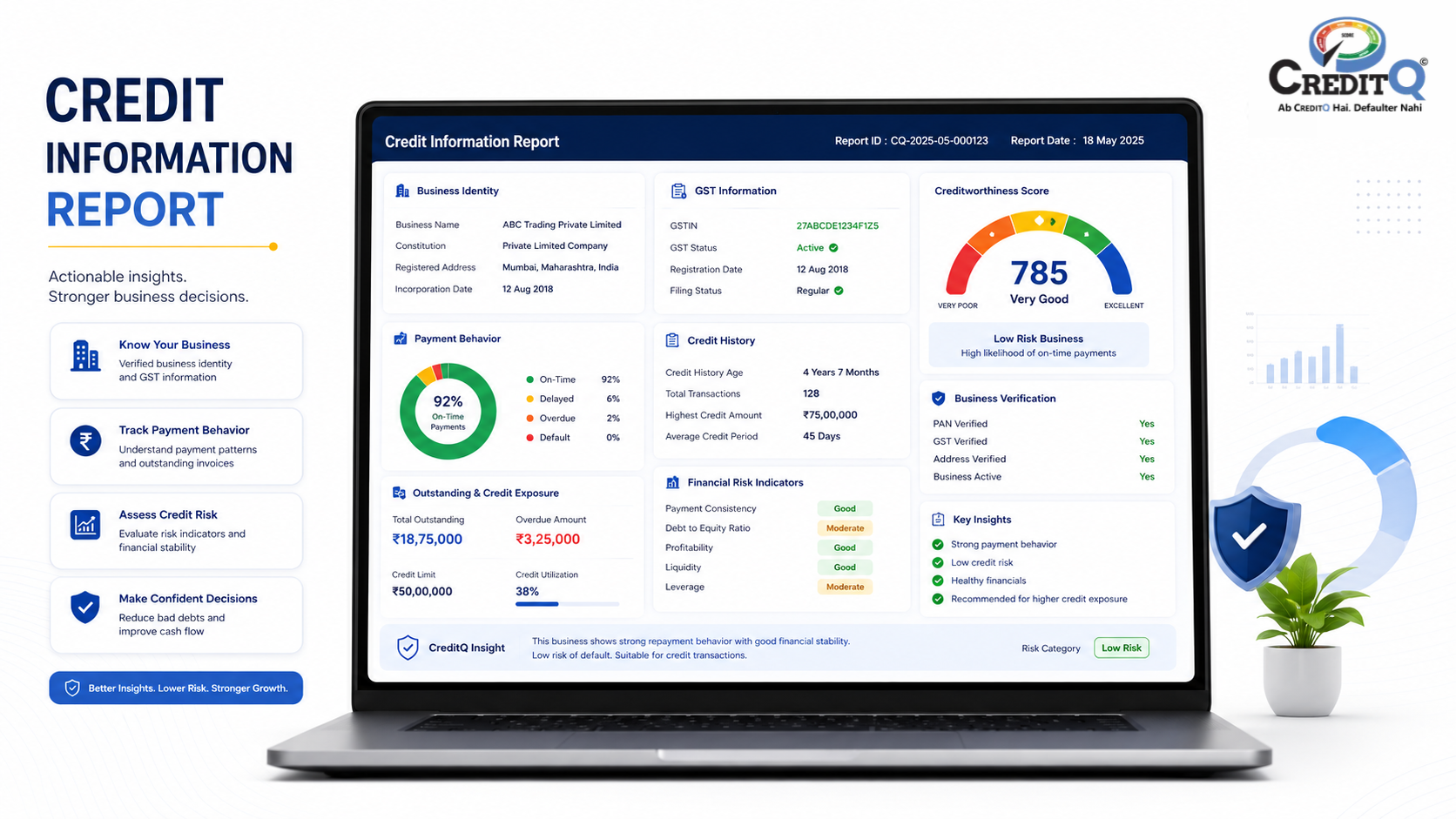
A CIR is a detailed report that helps businesses evaluate the financial credibility of another business before extending credit.
It contains valuable information such as:
- Business identification details
- GST-related information
- Payment behavior
- Credit history
- Financial risk indicators
- Business verification details
- Creditworthiness assessment
Rather than making decisions based on assumptions, businesses can rely on verified credit intelligence to understand the potential risk associated with a customer.
Why Bad Debts Are a Serious Challenge for Businesses
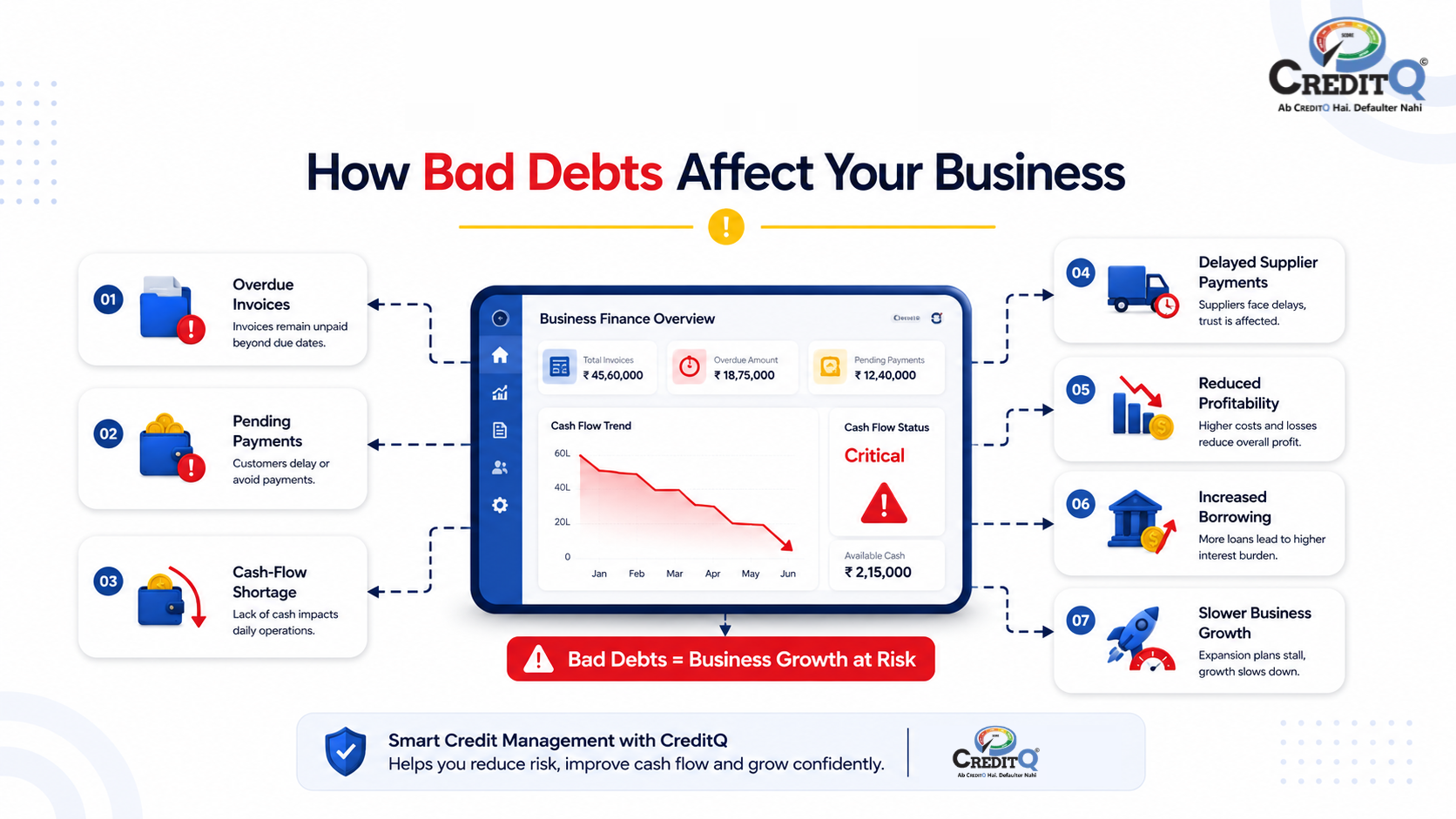
Bad debts are one of the biggest financial challenges for businesses that sell products or services on credit.
Some common reasons businesses face bad debts include:
- Providing credit without proper background verification.
- Working with financially unstable customers.
- Lack of information about previous payment behavior.
- No structured credit approval process.
- Poor customer risk assessment.
When customers fail to pay on time—or stop paying altogether—businesses may face:
- Cash flow shortages
- Increased borrowing requirements
- Delayed supplier payments
- Reduced profitability
- Higher recovery costs
- Business growth challenges
Preventing bad debts is always more cost-effective than recovering unpaid dues.
How Credit Information Reports Help Prevent Bad Debts
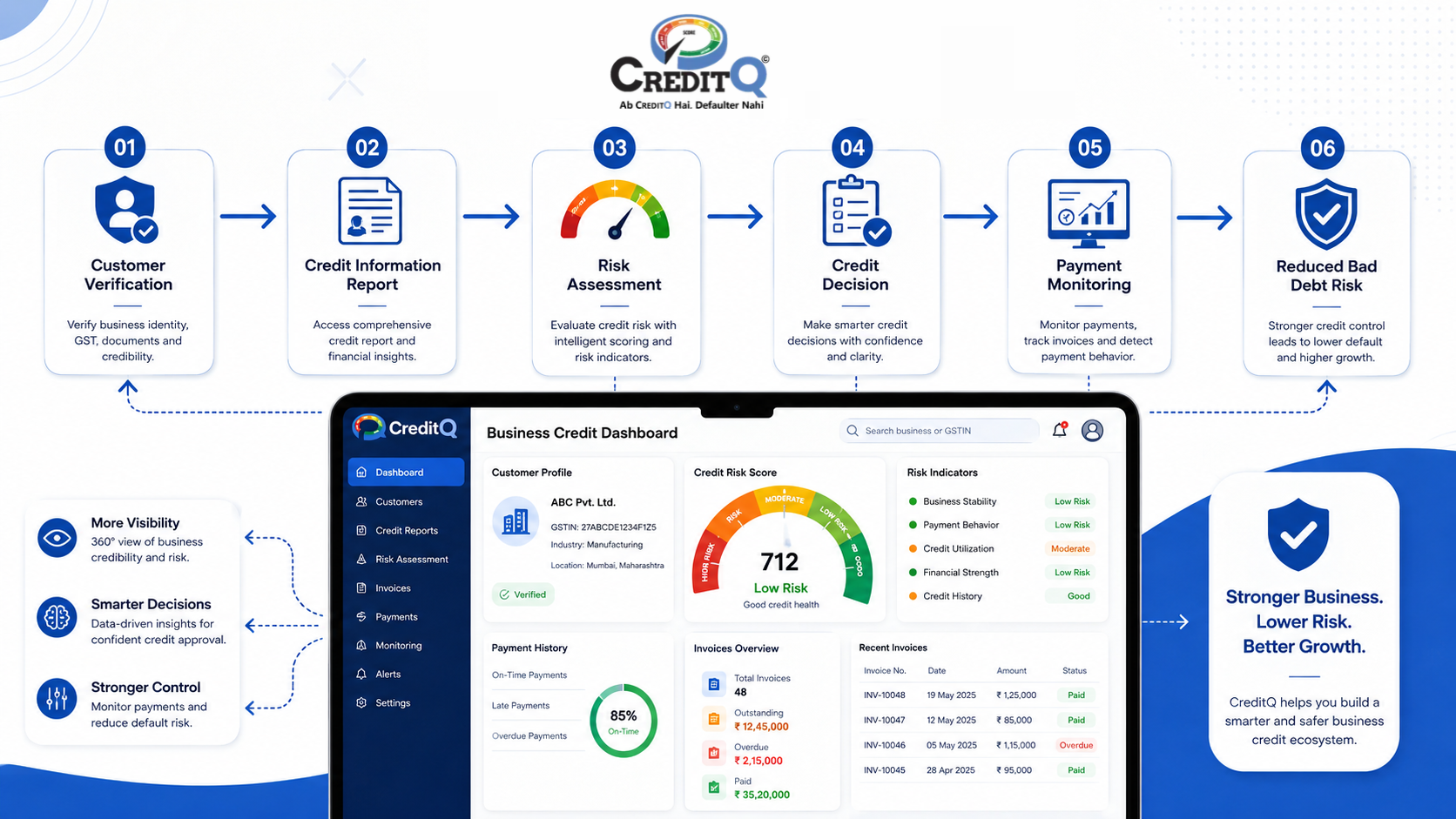
ALT Text :Using business credit intelligence to avoid risky customers
A Credit Information Report helps businesses make informed credit decisions before entering into financial relationships.
Let’s explore how.
1. Evaluate Customer Creditworthiness Before Offering Credit
One of the biggest mistakes businesses make is extending credit without understanding a customer’s financial position.
A CIR helps answer important questions:
- Is this customer financially reliable?
- Have they maintained a good payment history?
- Are there signs of financial stress?
- Is it safe to offer credit?
This allows businesses to make evidence-based decisions rather than emotional or relationship-based decisions.
2. Identify High-Risk Businesses Early
Not every customer carries the same level of financial risk.
Some businesses may have:
- Frequent payment delays
- Credit issues
- Financial instability
- Previous default records
- Poor business credibility
A Credit Information Report helps identify these warning signs before they impact your business.
Early identification means you can:
- Decline risky customers
- Reduce credit limits
- Ask for advance payments
- Introduce stricter payment terms
This proactive approach significantly reduces the possibility of bad debts.
3. Make Smarter Credit Approval Decisions
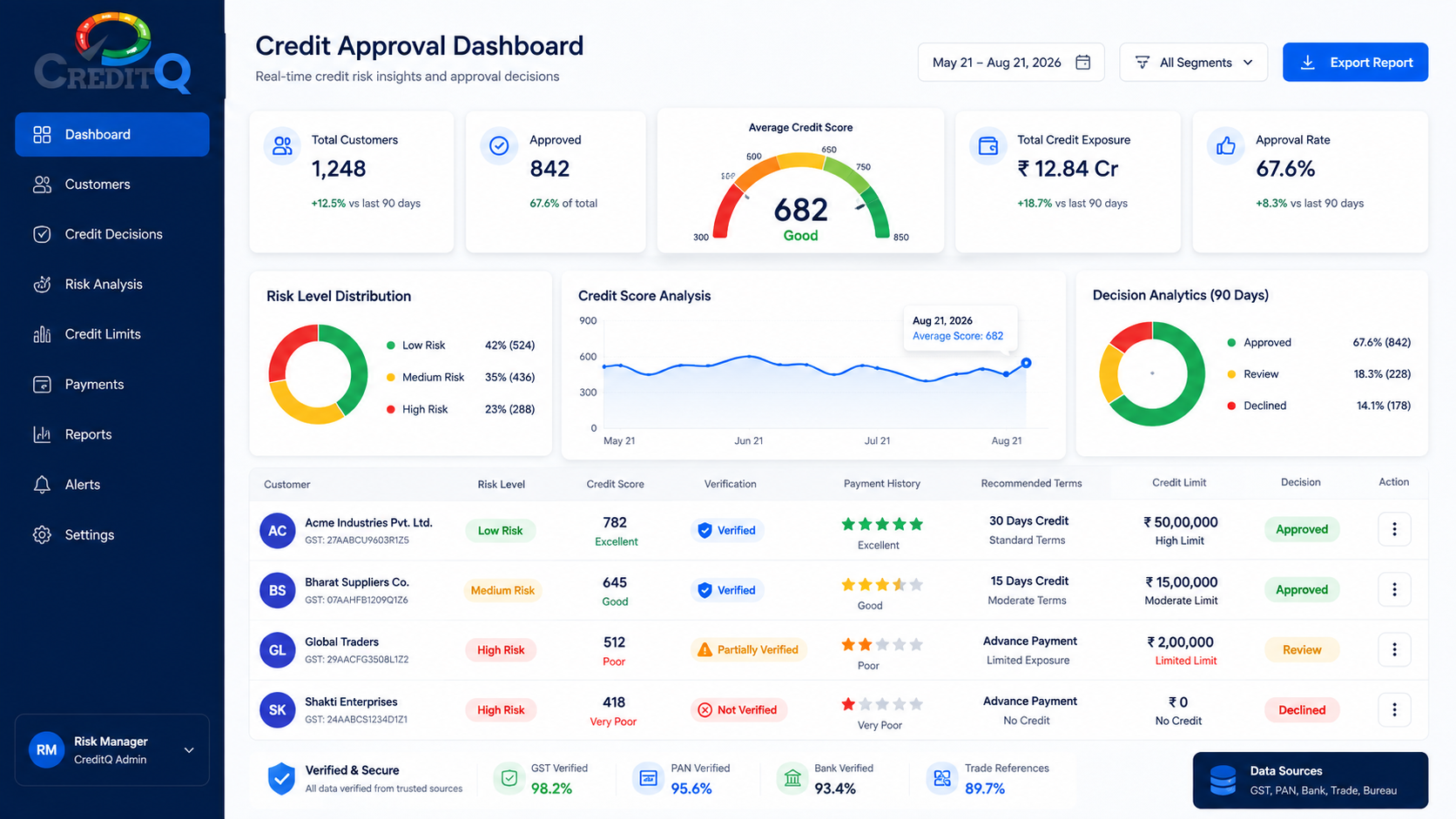
Every business should have a structured credit approval process.
Instead of offering identical payment terms to every customer, businesses can classify customers based on risk.
For example:
Low Risk Customers
- Higher credit limits
- Longer payment terms
- Faster order approvals
Medium Risk Customers
- Moderate credit limits
- Partial advance payments
- Regular payment monitoring
High Risk Customers
- Full advance payment
- Limited credit exposure
- Additional verification
This strategy protects working capital while supporting business growth.
4. Improve Cash Flow Management
Cash flow is the backbone of every business.
Late payments directly affect:
- Salary payments
- Inventory purchases
- Vendor settlements
- Operational expenses
- Business expansion
By evaluating customer risk before offering credit, businesses improve the quality of their receivables.
The result:
- More predictable cash flow
- Lower overdue payments
- Better financial planning
- Reduced dependency on external funding
5. Strengthen Business Relationships
Credit assessment is not about rejecting customers.
Instead, it helps businesses create fair and sustainable credit relationships.
When credit terms are based on verified business information:
- Expectations become clear.
- Payment disputes reduce.
- Financial transparency improves.
- Long-term business relationships become stronger.
Responsible customers also appreciate dealing with businesses that follow professional credit practices.
6. Reduce Financial Risk
Every unpaid invoice increases financial exposure.
Credit Information Reports help businesses understand the overall level of risk associated with each customer.
Instead of taking unnecessary chances, companies can:
- Diversify customer portfolios.
- Monitor high-value accounts.
- Review credit limits periodically.
- Avoid excessive credit concentration.
Managing risk before problems arise is always better than reacting after losses occur.
7. Support Business Growth with Confidence
Growth often requires offering credit to attract more customers.
However, uncontrolled credit expansion can become dangerous.
Businesses that use Credit Information Reports can grow confidently because they:
- Understand customer risk.
- Control credit exposure.
- Improve payment collections.
- Reduce bad debt losses.
- Protect working capital.
This creates a healthier financial foundation for long-term business success.
Best Practices for Using Credit Information Reports
To maximize the benefits of Credit Information Reports, businesses should adopt a consistent credit management process.
Verify Every New Customer
Always review the customer’s business information before approving credit.
Review Existing Customers Regularly
A customer’s financial condition may change over time.
Periodic credit reviews help businesses identify emerging risks early.
Define Internal Credit Policies
Establish clear guidelines regarding:
- Credit approval
- Credit limits
- Payment terms
- Risk categories
- Review frequency
Monitor High-Value Customers
Large customers often represent greater financial exposure.
Monitoring them regularly reduces unexpected losses.
Combine Credit Reports with Internal Payment History
Use both external credit intelligence and your own customer payment experience for better decision-making.
Why Modern Businesses Need Credit Intelligence
Business decisions today require more than intuition.
Companies increasingly rely on data-driven insights to:
- Reduce financial uncertainty
- Improve credit decisions
- Protect working capital
- Increase profitability
- Build sustainable business relationships
Credit intelligence enables businesses to identify opportunities while minimizing unnecessary financial risks.
Instead of reacting to payment defaults, businesses can prevent them through informed decision-making.
How CreditQ Helps Businesses Make Better Credit Decisions
Managing customer credit risk doesn’t have to be complicated.
CreditQ helps businesses make informed credit decisions by providing valuable business credit intelligence that supports safer and smarter lending practices.
With the right credit insights, businesses can:
- Assess customer credibility before offering credit
- Reduce the risk of delayed payments and bad debts
- Improve overall credit management
- Strengthen cash flow planning
- Build long-term, trustworthy business relationships
Whether you’re working with new customers or reviewing existing ones, having access to reliable credit information allows your business to make decisions with greater confidence.
Conclusion
ALT Text : Business credit intelligence platform helping reduce financial risk
Bad debts can significantly impact a business’s profitability, cash flow, and long-term growth. While it’s impossible to eliminate all credit risk, businesses can greatly reduce financial losses by making informed credit decisions.
Credit Information Reports provide valuable insights into customer reliability, helping businesses evaluate risk before extending credit. By integrating credit intelligence into your credit approval process, you can protect your business, improve cash flow, and build stronger commercial relationships.
In today’s fast-moving business landscape, informed decisions are better than costly assumptions. Businesses that prioritize credit intelligence are better equipped to grow confidently while minimizing financial risk.
Frequently Asked Questions (FAQs)
1. What is a Credit Information Report?
A Credit Information Report (CIR) provides important information about a business’s credit profile, payment behavior, and financial reliability, helping businesses make informed credit decisions.
2. How does a Credit Information Report help reduce bad debts?
By evaluating customer creditworthiness before extending credit, businesses can identify potential risks early and avoid customers who may delay or default on payments.
3. Who should use Credit Information Reports?
Manufacturers, wholesalers, distributors, traders, service providers, exporters, importers, and MSMEs that offer credit to customers can benefit from using Credit Information Reports.
4. Should existing customers also be reviewed?
Yes. A customer’s financial situation may change over time. Regular credit reviews help businesses monitor ongoing risk and make timely adjustments to credit limits and payment terms.
5. Why is credit intelligence important for business growth?
Credit intelligence enables businesses to make informed decisions, reduce financial risk, improve cash flow, and confidently expand without increasing exposure to bad debts.