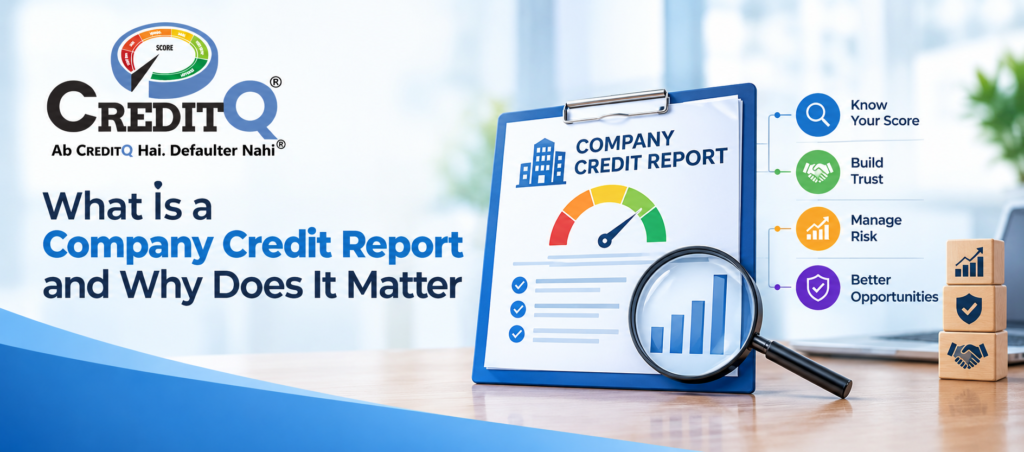

In today’s competitive business environment, extending credit to customers, suppliers, or business partners is often necessary for growth. However, offering credit without proper verification can expose businesses to significant financial risks and bad debts. One of the most effective ways to minimize these risks is by using Credit Information Reports (CIRs).
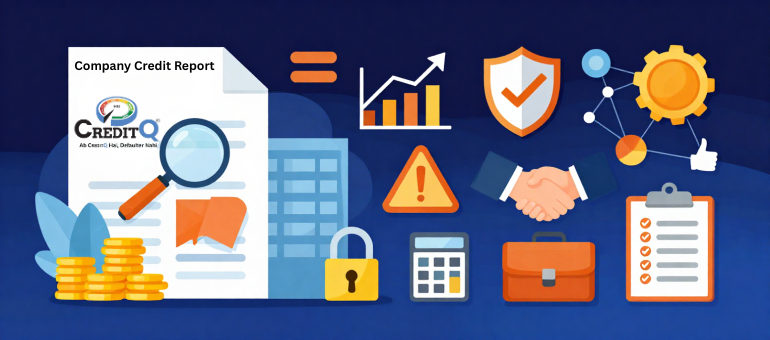
Credit Information Reports provide valuable insights into the creditworthiness and financial behavior of businesses and individuals, helping organizations make informed credit decisions.
What Are Credit Information Reports?
A Credit Information Report is a detailed record of an individual’s or business’s credit history. It includes information such as:
- Credit Score
- Payment History
- Existing Loans
- Credit Utilization
- Credit Inquiries
- Financial Obligations
- Repayment Behavior
These reports help businesses evaluate whether a customer or partner is financially reliable before extending credit.
Why Bad Debts Are a Serious Business Risk

Bad debts occur when customers fail to repay the money they owe. This can lead to:
- Cash Flow Problems
- Reduced Profitability
- Increased Financial Risk
- Operational Challenges
- Limited Business Growth
Without proper credit assessment, businesses may unknowingly engage with high-risk customers.
How Credit Information Reports Help Prevent Bad Debts

1. Assess Creditworthiness Before Extending Credit
Credit Information Reports provide a clear picture of a customer’s financial behavior and repayment history.
- Businesses can identify:
- Reliable Customers
- High-Risk Borrowers
- Payment Patterns
- Financial Stability
This allows businesses to make safer credit decisions.
2. Identify Potential Red Flags Early
Credit reports reveal warning signs such as:
- Frequent Loan Defaults
- High Outstanding Debt
- Delayed Payments
- Excessive Credit Utilization
Identifying these issues early helps businesses avoid future payment problems.
3. Improve Risk Management
Risk management becomes easier when decisions are based on verified financial data rather than assumptions.
Businesses can:
- Set Appropriate Credit Limits
- Define Payment Terms
- Reduce Exposure to Risk
- Monitor Existing Customers
4. Strengthen Cash Flow
When businesses extend credit to financially responsible customers, payments are more likely to arrive on time.
Benefits include:
- Better Cash Flow Management
- Faster Collections
- Reduced Outstanding Receivables
- Improved Financial Planning
5. Build Stronger Business Relationships
Credit Information Reports help create trust and transparency between businesses and customers.
By working with reliable partners, companies can:
- Reduce Disputes
- Improve Collaboration
- Increase Long-Term Profitability
- Enhance Business Stability
Best Practices for Using Credit Information Reports
To maximize the value of credit reports:
- Review reports regularly
- Verify customer information
- Monitor changes in credit behavior
- Establish clear credit policies
- Use credit reports as part of your overall risk management strategy
Conclusion

Bad debts can significantly impact a company’s financial health and growth potential. Credit Information Reports provide businesses with the insights needed to evaluate risk, verify creditworthiness, and make informed credit decisions.
By leveraging accurate credit information, businesses can reduce bad debts, improve cash flow, and build stronger, more secure business relationships.At CreditQ, we help businesses access reliable credit insights that support smarter financial decisions and sustainable growth.