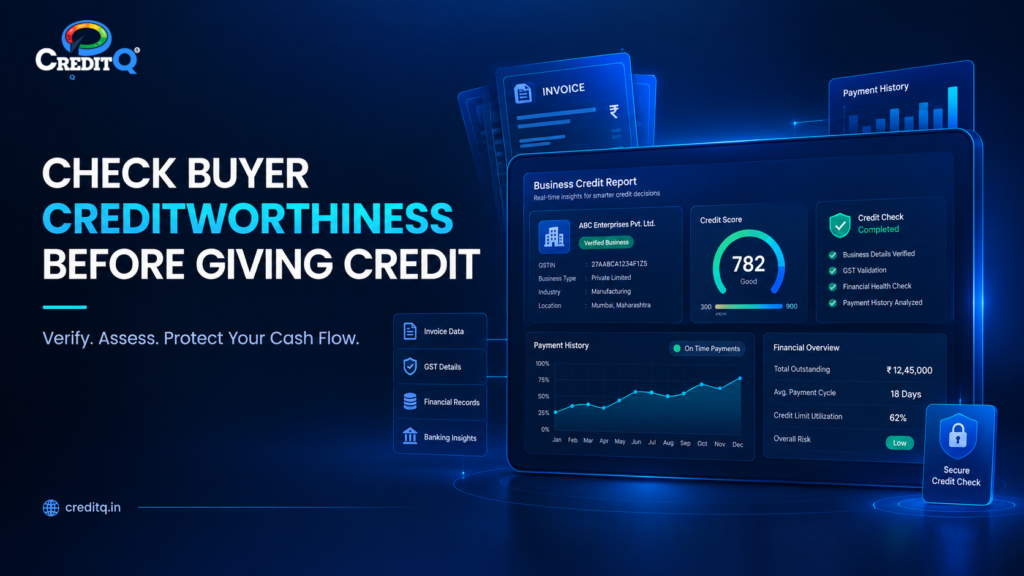
When you handle commercial trade deals, keeping a stable cash inflow is crucial for everyday operations. Having a structured payment reminder system is therefore becoming a necessary part of modern accounts receivable work, yet many leaders miss how daily messages about payment dates connect to the longer-term judgment of buyer reliability. Every alert that goes out and every reply that comes back adds usable behavioral signals that improve risk management decisions, slowly but consistently.

How Payment Reminder Tools Support Better Business Credit Decisions
Secure Your Business Payments Now
Running a sustainable B2B enterprise requires extending credit terms to trustworthy buyers while minimizing exposure to default. A lot of companies lean on static financial data, but payment behavior in real time often tells the story better. When credit managers look at how a buyer works through settlement schedules, they can make smarter calls about credit limits and payment terms.
Platforms like CreditQ help businesses track these moments, so customer communication stays professional and at the same time, they collect valuable insights into client settlement habits.
The Connection Between Communication and Buyer Behavior
Handling accounts receivable is not merely about drafting invoices and then waiting for the money to arrive. It also has to do with keeping an active watch on how the counterparties actually react to the agreed terms. When a business introduces more structured communication, it tends to expose quickly which buyers respect their financial commitments and which ones start showing operational bottlenecks.

Spotting Early Warning Signals
A buyer that pays invoices consistently on schedule tends to show solid cash control and operational discipline. On the other side, recurring late payments, reneged commitments, or plain unresponsiveness can point to deeper liquidity stress. If you catch those patterns early, commercial teams can tighten credit exposure before major liabilities build up too far.
With platforms like CreditQ, organizations can observe behavioral signals in a consistent way, and they get better visibility into buyer reliability across quarters.
Setting Measurable Risk Yardsticks
Subjective impressions often mislead credit teams during buyer evaluations. A long-standing relationship may mask emerging cash shortages within a buyer firm, yes even when everything looks stable. If you examine interaction records and settlement timeliness, businesses can build more objective criteria for extending trade facilities.
Using a structured auto payment reminder and follow up mechanism creates a verifiable trail of customer responsiveness that gives practical evidence on how and when settlements actually happen.
How Systematic Reminders End Up as Usable Intelligence
Clear and steady communication does more than just push buyers to pay what they owe. It turns into an ongoing diagnostic instrument. Every phase in the message process generates small signals and those points help evaluate counterparty risk, in practice.
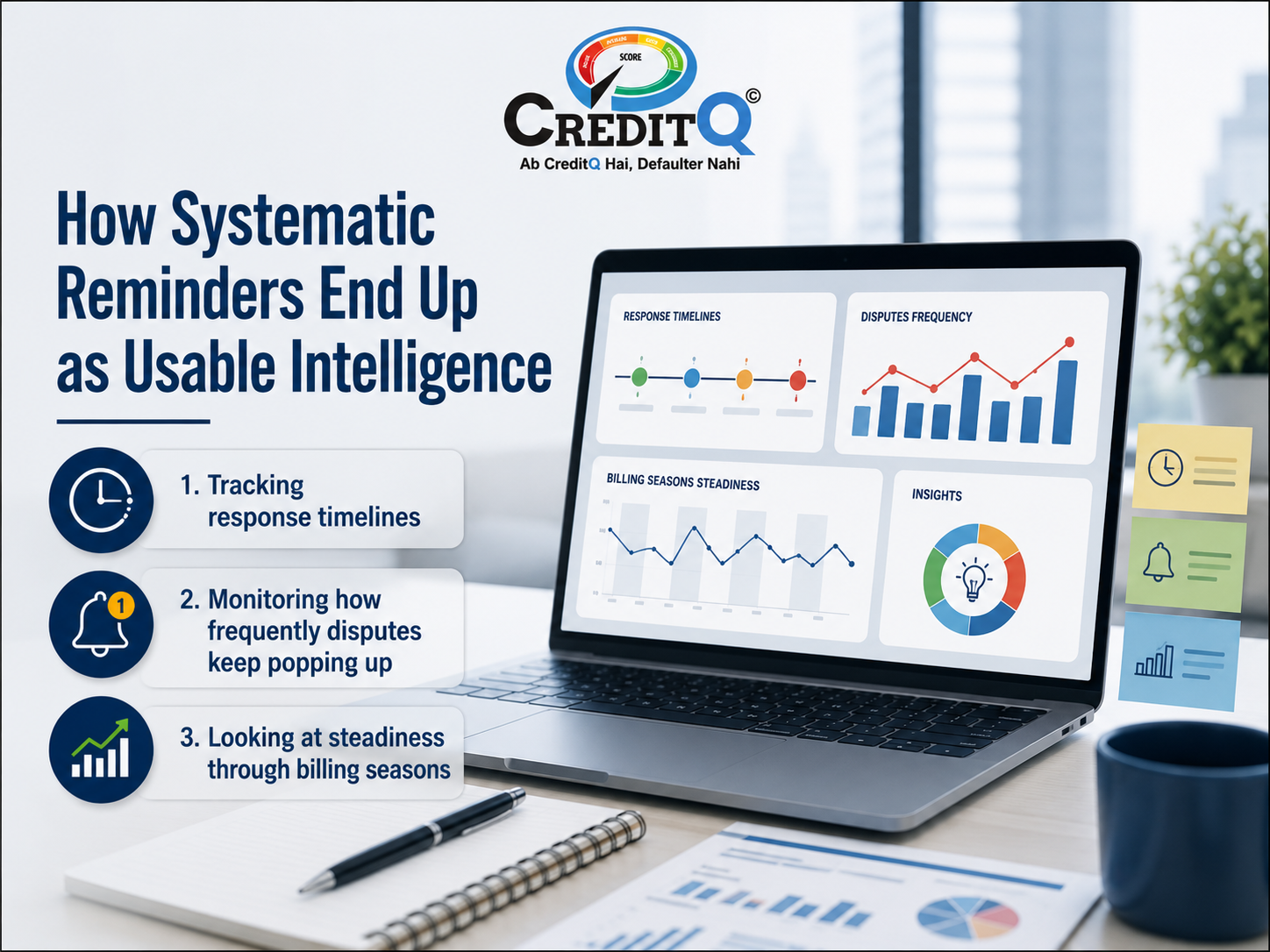
1. Tracking response timelines
Once an invoice hits its due date, the delay between the notification and the buyer acknowledgement becomes an indicator of their operational efficiency. Buyers who keep their internal workflows tuned tend to confirm the invoice quickly and they often share the expected payout date fairly fast, sometimes right away.
2. Monitoring how frequently disputes keep popping up
When disputes show up again and again near the settlement deadline, the rhythm might signal deliberate postponement, not a genuine billing issue. By tracking that pattern closely, suppliers can untangle basic paperwork mismatches from intentional cash management.
3. Looking at steadiness through billing seasons
To judge how dependable a counterparty is, you watch their performance over several billing cycles. A supplier may see whether seasonal swings interfere with the buyer’s ability to meet the agreed schedules and then they can tailor credit terms more fittingly.
Reviewing an in-depth business credit report helps cross-check whether these observed delay patterns are isolated to one supplier or rather happening across the broader market area.
Strengthening Trade Terms With Behavioral Data
Credit decisions should never remain static. As a buyer’s purchasing volume keeps expanding, their credit terms should mirror their real settlement track record. By weaving prompt message workflows into business credit management, enterprises are able to fine-tune their commercial policies practically.
Aligning Credit Limits With Settlement Discipline
When buyers consistently meet their settlement dates, suppliers can confidently raise their credit ceilings, which in turn supports more durable commercial relationships. Meanwhile, accounts that demand recurring manual interventions should be placed under tighter terms, or given a shorter credit window.
Putting in place a scheduled auto payment reminder and follow up flow helps make sure buyers get polite, timely nudges, without forcing the accounting staff to spend too many hours doing manual chasing, and things like that.
Keeping Cash Flow and Working Capital steady
When credit terms are left uncontrolled, working capital gets stretched, and a business may struggle to fund new inventory or grow. When suppliers define clear limits using real payment behavior, they can protect operational liquidity while still backing dependable customers.
With CreditQ supporting you, teams keep transparent records, and that strengthens the standing in term discussions or when there are repeat settlement issues coming up.
Adding Credit Clarity Across the Wider Market
Even if your internal history gives useful signals about how a buyer pays your invoices, it is only a single slice. Another party may pay key invoices quickly with a few vendors, while placing delays on invoices elsewhere.

Gaining broader visibility
To build a full profile of a commercial partner, businesses have to look past their internal ledgers. Broad market intelligence helps show how a buyer performs across different vendors and trade areas.
By reviewing a verified business credit report, decision-makers can spot wider financial strain before it touches their own receivables.
Standardizing credit review routines
Modern companies profit from building recurring assessment routines for all active customer accounts. Rather than evaluating creditworthiness only at the start of a relationship, an ongoing review cadence helps with sharper adjustments to terms as market conditions keep changing.
Using a trustworthy payment reminder schedule keeps outreach consistent, so finance teams can observe real-time indicators when a buyer’s payment behavior starts to shift.
Streamlining Everyday Operational Workflows for Sustainable Growth
Doing manual follow-ups really takes time and can lead to avoidable errors or cause emotional friction as well. Automating routine notifications gives a more polished baseline; meanwhile, it frees the finance team to focus on strategic risk evaluation and better oversight too.

Lowering Administrative Friction
When payment notices show up on a consistent, polite schedule, customers usually take it as normal business practice, not as confrontational pressure. That helps keep a good buyer-seller relationship intact too, while also guarding predictable cash flow.
A reliable auto payment reminder and follow up rhythm gives structured tracking, so that no invoice slips past its due date without anyone noticing, even when volumes rise.
Building an Auditable Communication Trail
In everyday commercial trade, having timestamped records of every billing notice and customer confirmation is invaluable. If a dispute comes up about agreed terms, or settlement delays, then this historical account works like evidence, because it reflects past interactions factually.
Using CreditQ, businesses can run these records in a more structured way, which reinforces disciplined trading habits and keeps credit governance more reliable too.
Must Read: Why Should You Check a Company Credit Report Before Sending Payment Reminders?
Conclusion
Maintaining steady business growth needs a careful equilibrium between increasing sales and actively managing counterparty credit risk. Even though financial statements give a historical picture, the day-to-day reactivity of buyers around payment timelines tends to show what operational stability looks like right now.
When enterprises watch communication patterns and review an updated business credit report, they can move forward with informed, data-driven decisions that safeguard working capital. Pairing intentional outreach with wider trade intelligence helps business owners reward dependable partners, reduce the likelihood of non-payment, and support long-lasting commercial success.
A fairly well put-together payment reminder protocol really becomes the core; it turns ordinary admin messages into a strong credit assessment tool, which you can use before problems show up.
Frequently Asked Questions (FAQs)
Q1. How do prompt notification tools support evaluation of customer creditworthiness?
Ans: Prompt notification tools monitor how fast and how reliably buyers respond around approaching due dates. From there, by looking at response cadence, dispute frequency, and settlement consistency, companies can infer the customer’s liquidity behavior and also their day-to-day operational discipline.
Q2. Why review credit terms more than once, not only at the moment of onboarding?
Ans: A company’s situation can shift because of market conditions, supply chain adjustments, or internal leadership changes. If reviews happen periodically, then suppliers can tune credit limits and terms dynamically, which reduces sudden exposure to default.
Q3. How does buyer communication data strengthen formal credit documentation?
Ans: Formal credit paperwork gives historical financial records, while daily messaging data turns into a kind of live operational footprint. When you join both streams, it helps show a more complete, present picture of whether a buyer is ready and can pay, not just in theory but actually.
Q4. What are key signs that payment may get delayed in B2B deals?
Ans: Some common signs include not replying to notifications, disagreements popping up right before the due date, repeated requests for timeline adjustments and missed settlement promises that never get actually fulfilled
Q5. How does organized communication help relationships between buyers and sellers?
Ans: An organized sequence of polite notices helps because it sets expectations early, from the start of the transaction. Since the notices stay consistent and professional, buyers tend to read them as standard operational routine, not as a personal jab, which reduces friction and keeps commercial interactions clear, even when things get tricky.